COW AS KAAMDHENU

We have traditionally been a country dependent on agriculture. Seventy per cent of our population lives in the villages and their principal means of livelihood have been agriculture and cattle breeding. It was not so long ago when each family had a small plot of land and possessed a lactating cow and a couple of healthy strong bullocks.

Discover More

Health Benefits

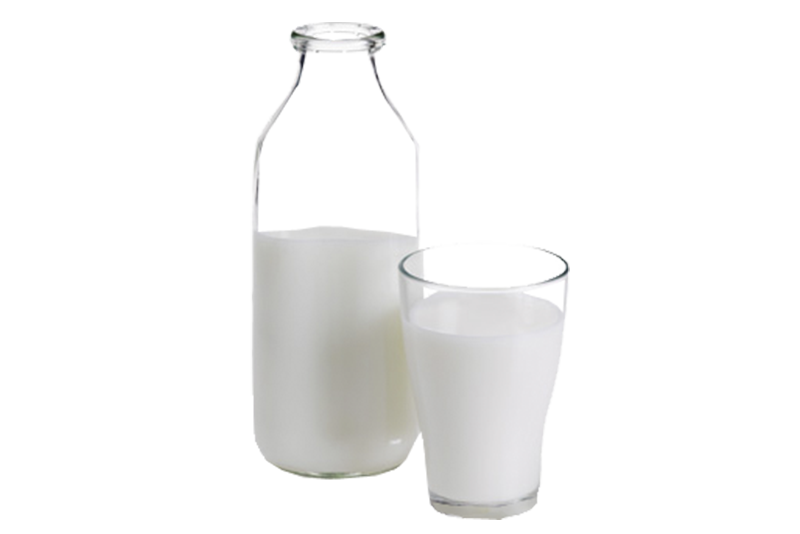
Cow milk is considered the elixir on the earth. Cow milk and curd provides vital nutrition equivalent to a mother’s milk. When we refer to milk in this write-up, we are talking about milk from local Indian cows; jersey, holstein and other foreign bred cows are a different story. Zoology differentiates between Indian cow and other cow species and the nutritional qualities of milk from the two species are also very different. Because people in old times were aware of this science, they did not trade in milk and ghee.

Products Of LiveStock

Cow dung supplies organic fertilizer. Crops grown with organic fertilizers are not only good for our health but also make the soil more fertile. Burning of cow dung is believed to destroy plague bacteria. Cow urine and dung are used for crop protection, and as fuel. Cow produces 750 liters of urine per year. The dried urine contains nitrogen, potash, phosphoric acid, and other organic elements.

Cow Sanctuaries

Cow shelter is a symbol of compassion and non-violence. Godhaam is a larger version of goshaaala and is the only solution to promote cow breeding and should be designed with the help of experts. Godhaam functions as a joint unit. The first step towards this goal is creating a grazing ground. This will make us self-dependent in our requirement of green fodder. The next step is to ensure that the water resources of the village remains in the village and do not drain away.

Cow Breeding

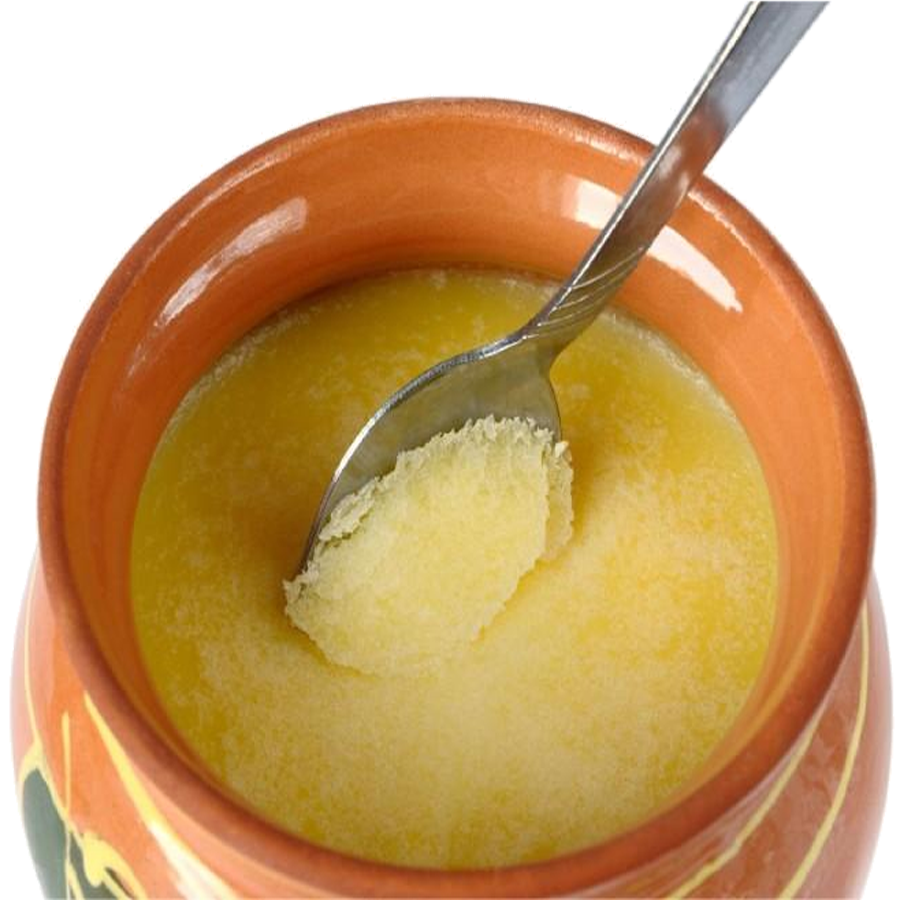
For centuries, we have been calling the cow our mother. Gau-vigyan, that is Gau Ayurveda, is a special branch of knowledge which has researched on subjects like Panchagavya cow milk, cow urine, cow dung (gomay), and ghee. Use of these elements give convincing results in treatment of various illnesses. It would require a big anthology if we were to compile all the medical benefits that we can derive from this science.
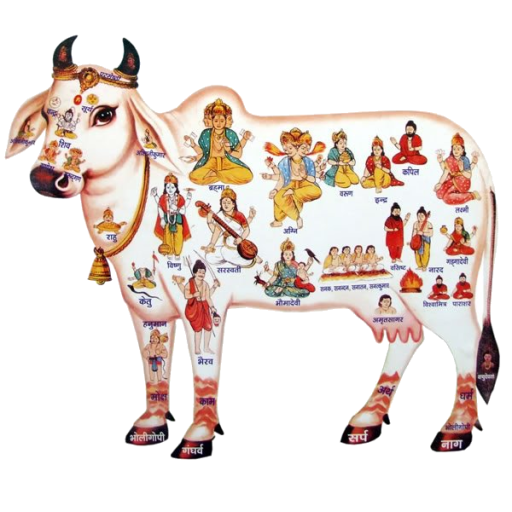
Cow As KamaDhenu

The Indian cow has a hump which is absent in the western cow. The Asian and African breeds with a hump are classified as bosindicus, while the European breed without the hump is classified as bostoras. The eastern cow is different from the western cow in many other ways; such as the sound of mooing (sound that cow makes), their internal organs, shape of ears, facial features and the like. The western cow’s intestines are shorter and therefore require more feed in shorter time. Their milk is more difficult to digest and has less nutrition. The Indian cow having a longer intestine require less food and give better quality of milk. Foe Ex:

Learn More

Cow is not just a religious thought or symbol. Rather it is a confluence of utility, virtue of excellence, and culture. Without opposing the existing technological progress and without wasting much time and energy, we need to demonstrate that there are many doable alternatives we can implement which would illustrate the possibilities of benefits in cattle rearing.

• Donate time and energy for the service of the cow at the nearest cow shelter • Use only commodities prepared from cow elements • Financially help cow herd community and milk producers to purchase fodder or lend interest free money or purchase milk from them • Explain the importance of co-operative movement to the farmers • Instead of giving cash donations to the cow shelters, the educated donors should help them by constructing buildings, water tanks, wells, bore wells, drip irrigation system, giving them useful implements, bio-gas plants, solar energy equipment and the like

• Do not carry plastic bags to the cow shelter. Do not let the cow consume plastic bag with the food or it is best to avoid taking food in plastic bags to cow shelters • Do not dispose of leftover food on the road sides in plastic bags • Keep yourself informed about science on cow breeding and encourage others to do so • Do not ignore cows in helpless conditions. Take her to a safe place and take appropriate steps to make the cow comfortable

We are working towards GouSeva

Telangana GouSevaVibhagam is in the GouSeva. that we can get far more by rearing cattle than what we can get by slaughtering them.

We have slaughtered cattle and exported their meat and leather, and set up industries to manufacture drugs from their blood and bones. In a nurturing economy we could, in fact, propagate many industries by keeping our cattle wealth alive. The global herbal products market is estimated to be to the tune of Rs.50 thousand crores, in which our share is only 4 per cent. Fairness cream alone has a market of Rs.1200 crore.

Telangana GouSeva Vibhagam, Hyderabad; Mail id: contactgouvigyan@gmail.com

Protection Of Cow

Protecting our forests is not possible without protecting the cow. The ancient Vedas not only banned the slaughter of cows, but protected them by giving her the status of a mother and referred to them as Kaamdhenu, one who fulfills all our desires. Care of cows is linked to the survival and existence of Indian culture and any solution to this problem has to be tackled from this angle.

Understand The Cow

The cow can use all its five senses. She has her own way of understanding the individual in front of her. She comprehends the best when the person approaches her from the front. She tries to recognize the person by bending her head. She does not like anyone approaching her from the side.

A well-off cow lover

Everyone cannot do everything for the cow. If everyone starts doing everything, it would create a jamboree at best or chaos at the worst. Yet every social being should contribute their bit to the cause. A well-off cow lover could have a book prepared and published on cow service or could gift such books which are already published. Others could do anything that would help the cow or the livestock.

Know The Numbers

Desi cows are the native domestic cows of the Indian Subcontinent. A few distinctive features that these cows have are : hump on their back and a large dewlap. These cows are very used to the weather conditions of the tropical and hot Indian terrain. Hence, they can live comfortably in India.

65
%

Agriculture is Cattle Based

2.4Cr
+

Tons Diesel Saved Every Year

3.3
%

Protien in Cow Milk

50K Cr
+

HerbalProductsExport

Various Cow Products

Understand The Cow

How To Take The Quiz - A Step By Step Process Explained